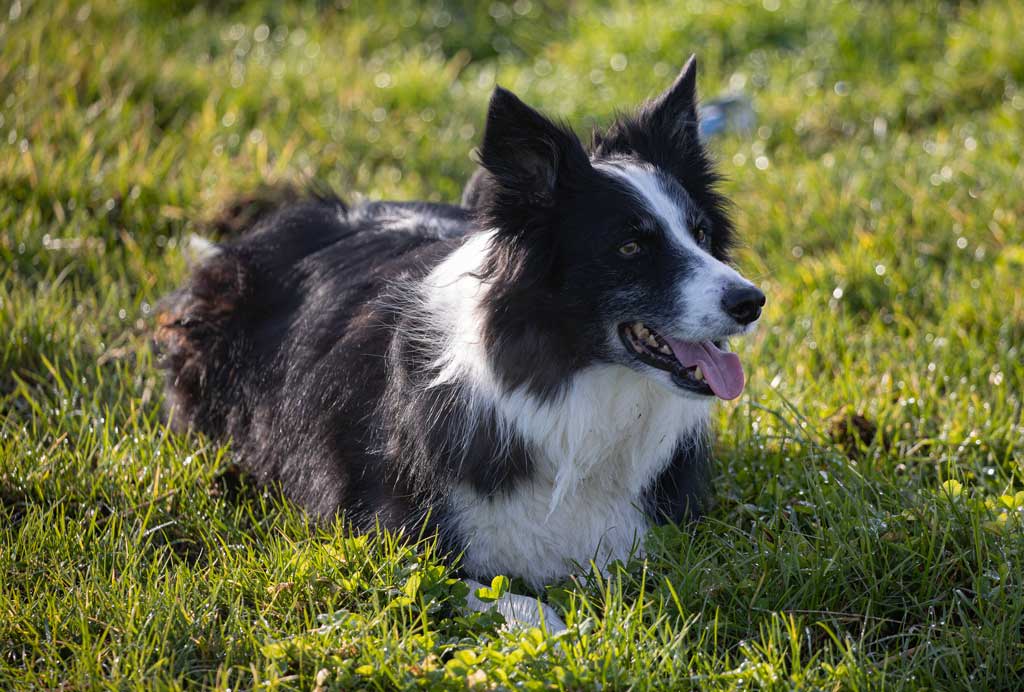
Your border collie springs into action, expertly manoeuvring sheep through the gate with precision that would take a human hours to achieve. These remarkable canines are the backbone of countless British industries, from agriculture to security services. Yet many owners make a costly mistake that could devastate their business overnight. Proper working dog insurance isn’t just recommended—it’s absolutely essential for protecting both your four-legged employee and your livelihood.
Most pet insurance policies leave working dogs dangerously exposed when they’re injured on the job. The financial consequences can be catastrophic.
Why Standard Pet Insurance Fails Working Dogs
Regular pet insurance treats all dogs as beloved companions, not as the skilled professionals many actually are. This fundamental misunderstanding creates dangerous gaps in coverage that could cost you thousands.
Standard policies typically exclude injuries sustained during “working activities.” If your sheep dog tears a cruciate ligament whilst herding, your insurer might deny the claim entirely. Even worse, basic pet cover won’t compensate you for the business losses that occur when your dog cannot work.
The Hidden Exclusions That Catch Owners Out
Many pet insurance policies contain clauses that specifically exclude working activities. These might include:
- Injuries sustained whilst herding livestock
- Damage occurring during security patrols
- Accidents during search and rescue operations
- Illness contracted in working environments
A single denied claim could leave you facing veterinary bills of £5,000 or more, plus the cost of finding temporary solutions for your business needs.
The True Cost of Working Dog Injuries
When people think about dog insurance, they often focus solely on veterinary expenses. However, working dog injuries create multiple financial pressures that standard pet policies simply don’t address.
Consider a detection dog used for pest control on farms. If that dog suffers a back injury and cannot work for three months, you’re not just paying for surgery and rehabilitation. You’re also losing the income that dog generates, potentially hiring alternative pest control services, and dealing with reduced efficiency across your operation.
The mathematics are stark. A well-trained working dog might save a farmer £3,000 annually in pest damage prevention. Over a ten-year working life, that represents £30,000 in value. Standard pet insurance recognises none of this economic contribution.
Real-World Financial Impact
Professional working dogs often represent investments of £5,000-£15,000 when you factor in purchase costs, training, and ongoing development. If your dog suffers a career-ending injury, you need coverage that reflects these realistic replacement costs, not just basic veterinary treatment.
What Working Dog Insurance Actually Covers
Specialist working dog policies recognise these animals as business assets and provide comprehensive protection accordingly. Quality coverage typically includes several key components that standard pet insurance omits entirely.
Business interruption coverage compensates you for lost income when your dog cannot work due to injury or illness. This might cover the cost of hiring temporary labour or alternative services whilst your dog recovers.
Training and Replacement Protection
The most valuable aspect of working dog insurance often lies in training and replacement coverage. If your dog suffers a permanent injury that ends their working career, comprehensive policies will fund both the purchase of a replacement dog and the extensive training required to bring them to working standard.
This coverage recognises that replacing a seasoned working dog isn’t simply a matter of buying another puppy. It requires months or years of professional training, during which time your business may suffer reduced efficiency or increased costs.
Equipment and Third-Party Liability
Working dog insurance also typically covers specialist equipment that regular pet policies ignore. This might include expensive tracking collars, protective clothing, or handling equipment that gets damaged during incidents.
Enhanced third-party liability coverage protects you if your working dog causes injury to people or damage to property whilst carrying out their duties. The liability limits are typically much higher than standard pet policies, reflecting the increased risks that working environments present.
Breed-Specific Considerations for Working Dogs
Different working dog breeds face varying risk profiles, and the best insurance policies recognise these distinctions. Border collies working with livestock face different hazards than German shepherds providing security services.
Herding dogs are particularly vulnerable to kicks from cattle or sheep, cuts from barbed wire, and overexertion injuries during long working days. They also face higher risks of heat stroke during summer months when working in open fields.
High-Risk Working Environments
Security dogs operate in environments with unique dangers, from confrontational situations to industrial hazards. Detection dogs may work in areas with toxic substances or dangerous wildlife. Each of these environments requires specific coverage considerations that standard pet insurance never addresses.
The geographical location also matters. Dogs working in remote Scottish highlands face different challenges than those operating in urban environments, and your insurance should reflect these varying risk levels.
Calculating Your Coverage Needs
Determining the right level of working dog insurance requires honest assessment of your dog’s economic value and the costs associated with replacement or temporary alternatives.
Start by calculating your dog’s annual economic contribution. This might be direct income if you hire out your dog’s services, or cost savings if the dog prevents expenses you would otherwise incur. Multiply this figure by the number of years you expect the dog to work, and you’ll have a baseline for appropriate coverage levels.
Don’t Underestimate Replacement Costs
Many owners significantly underestimate the true cost of replacing a working dog. Beyond the purchase price, consider:
- Professional training costs (often £3,000-£8,000)
- Time investment during training period
- Reduced efficiency whilst new dog gains experience
- Potential business losses during transition period
Quality working dog insurance policies should cover these realistic replacement costs, not just the initial purchase price of a puppy.
Choosing the Right Provider
Not all insurers understand working dogs, and choosing the wrong provider could leave you exposed when you need coverage most. Look for specialists who demonstrate genuine understanding of working dog operations and have track records of paying claims related to working activities.
The cheapest policy is rarely the best value when it comes to working dog insurance. Focus on coverage comprehensiveness, claim settlement reputation, and the insurer’s understanding of working dog environments.
Red Flags to Avoid
Steer clear of policies that seem too good to be true or providers who cannot clearly explain how they handle working dog claims. Be particularly wary of insurers who try to sell you standard pet insurance for working dogs, as this suggests they don’t understand the unique risks and requirements involved.
Protecting Your Investment and Your Future
Working dog insurance represents essential business protection, not an optional expense. The risks that working dogs face, combined with their high economic value, make comprehensive coverage a necessity for any serious working dog operation.
Your working dog isn’t just a pet—they’re a highly trained professional whose skills and dedication contribute significantly to your livelihood. Protecting that investment with appropriate insurance ensures that both you and your four-legged employee can continue working together, regardless of what challenges arise.
The peace of mind that comes from knowing your working dog is properly protected allows you to focus on what matters most: the important work you do together.